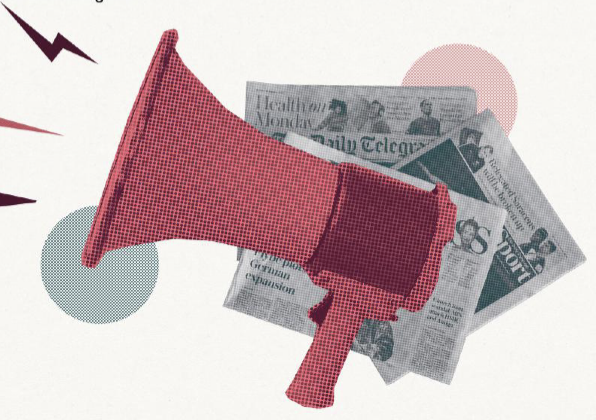
It only requires one moment to turn an ordinary life into shambles. Your name whispered, heads turning, rumours spreading rapidly.
The music duo Milli Vanilli sold 30 million singles worldwide, won a Grammy and was one of the most anticipated acts with their hit “Girl, you know it’s true”. Until November 1990. The Los Angeles Times opened with the headline: “It’s True: Milli Vanilli Didn’t Sing”, throwing fans into turmoil. Not only did Milli Vanilli use playback, but it was not even their vocals on the recordings. Their Grammy was revoked, the duo split up, and their fame waned. Fans felt betrayed, and the media sensed a lucrative opportunity, fuelling each other’s frenzy, catalysing the scandal further. It was the talk of the town; even the musically clueless were invested, their misstep ridiculed by everyone. Why are we so drawn to other people’s downfalls? Without public fascination, media coverage and moral superiority, scandals would not burgeon.
At first, clickbait stirs our curiosity. We click, we consume, we judge, and we divert our attention to the next sensationalist headline. Public figures are often idolised, our perception solely based on the rosy picture they present to us. The more immaculate they appear, the greater the disappointment and public outrage when a contradicting behaviour is uncovered. A scandal is never a scandal per se, but when public opinion and exasperation get involved, it promptly becomes one. While some people need a valve for their disillusionment, others thrive on the exhibition of fallibility. Everyone has problems, faces challenges and might not always make the best judgment. The difference is that the lives of public figures are closely watched and their missteps noted, publicised, mocked and never forgotten.
Exclusivity is spiking people’s interest; a desire for voyeurism pulls us in even further. We want to be seated front row, witness the spectacle firsthand, receive all the juicy information, and delve into their most intimate thoughts. It becomes a scavenger hunt; who can find the missing pieces and reason the moral transgressions first?
Sometimes we even create the drama ourselves; disappointment alone can be enough to spark a scandal. When Stranger Things’ latest season let us down, we compensated through speculation about the Duffer Brothers’ writing process and divorce, developing a dramatic narrative and inventing a scandal.
Furthermore, scandals offer some sort of escapism, distracting us from our own mistakes by allowing us to immerse ourselves in condemning other people’s behaviour. We place ourselves on a moral high ground, thriving on a sense of superiority. Other people’s self-destruction fascinates us. Lies, betrayal and secrets pique our interest. We get to be detective, psychologist, judge and jury. People’s lives are falling apart as strangers rip at it for pure entertainment, hungry for gossip to spill. Especially trivial scandals, not requiring exposure, create a big uproar in society. Even though Jude Law desired his infidelity to remain a private issue, it was dragged into the public and fiercely discussed online. Lily Allen, au contraire, publicly denounced David Harbour’s adultery voluntarily, even dedicating a whole album to it. Stories such as these feel familiar and relatable, thus receiving great resonance in society.
The 24/7 news cycle provides a constant stream of controversies, monitoring public figures’ private lives even more closely. Scandals have become influential and, with that, less consequential. New scandals supersede the ones previously believed to be highly important, thus diminishing their severity. Scandals become merely momentary; when the public loses interest, the scandal cools, and consequences remain pending. Scripted apology videos and obvious PR statements now suffice, replacing genuine accountability and thereby omitting lasting behaviour change and reflection. We as a society even seem to take a liking to redemption arcs, following closely and rooting for their success. If they can recover under unarguably harder conditions, we can as well. Logan Paul’s suicide forest vlog should have cast a huge shadow on his career. Yet a short apology video on the verge of tears and a bit of time passing allowed him to continue as if nothing had happened. His apology aimed to reestablish his online persona rather than being a reflection on his own immoral actions.
The money factor is another accelerator for the prevalence of scandals. They boost media’s revenue, and with time being money, they have to be the first to report and publish the exclusive stories, increasing their efforts to invade people’s privacy. After Princess Diana’s death following a paparazzi chase in 1997, the press was self-critical and promised to change. Two decades later, Johnny Depp and Amber Heard’s trial is being followed by millions on Netflix, turning their private tragedy into mass entertainment. The press exaggerates missteps to maximise profits, framing some as heroes, some as villains, even though the world is not as binary as they make it out to be. The grip the media’s portrayal has on us is enormous. The more scandalous and lurid it is, the more it whets our curiosity. What we read, we take as given. The truth behind a story becomes secondary. Scandals ignite like fire, spreading through headlines and consuming attention. When the flames die down, all that remains are embers and ashes. Society moves on, anticipating the next spectacle, while the scandal’s subjects have to carry the burden far past its extinction. Public judgment is mistaken for justice, leaving marks echoing long after. The question that remains: do scandals ultimately reveal more about society than they do about individual transgressions?