Behind the Media
If a 14-year-old boy from New Jersey could control hundreds of adults’ financial decisions from his bedroom using fake usernames and a pattern he learned from his dad, what can an entire media apparatus do to our perception of reality?
That was Jonathan Lebed. In 1999, he bought shares in obscure small companies and then posted hundreds of messages on financial forums under fake names, hyping the same stocks as “the most undervalued stock in history.” Interested buyers ran at full speed to not miss their chance, and the psychological aspect did its work on the stock market. When prices rose, he sold everything, usually within 24 hours. By the age of 15, he had made over 800,000 dollars. He needed no insider tips, no connections, no huge capital. He just needed to understand one thing that most of us never stop to think about: we don’t react to reality. We react to the story about reality.
Behind the Pressure
“The story about reality” “Ran at full speed” “Never stop to think about”
When you think about it, that describes a large part of many students’ everyday thoughts.
A question that often gets lost is: where are you going, and do you actually want to go there?
That was something Christer Olsson, one of Scandinavia’s most sought-after speakers and author of the book by the same name, coined a long time ago. A simply worded question that rarely gets the respect it deserves. It’s about awareness. And for me, that question gets forgotten in a fear of missing out. Missing something others seem to understand, or something that appears to be beneficial for yourself.
To illustrate what I mean, here is an example: There is a buzz that moves through campus every semester. Someone landed an internship at the right place. Someone else has 500+ connections on LinkedIn. A third person runs their own business on the side. And suddenly you are running too. Not toward something you have actually chosen, but away from the feeling of falling behind. It is the same mechanism that made investors buy stocks in companies they had never looked into. The headline was enough. And here, the feeling is enough to make you start running.
I want to highlight this because we rarely talk about what actually happens behind the wall of pressure, and we rarely stop to question whether there is a downside to any of it. I think there are aspects we need to emphasize behind this “road to glory”, both what actually turns out to happen in reality, and what it can do to many people’s mental wellbeing.
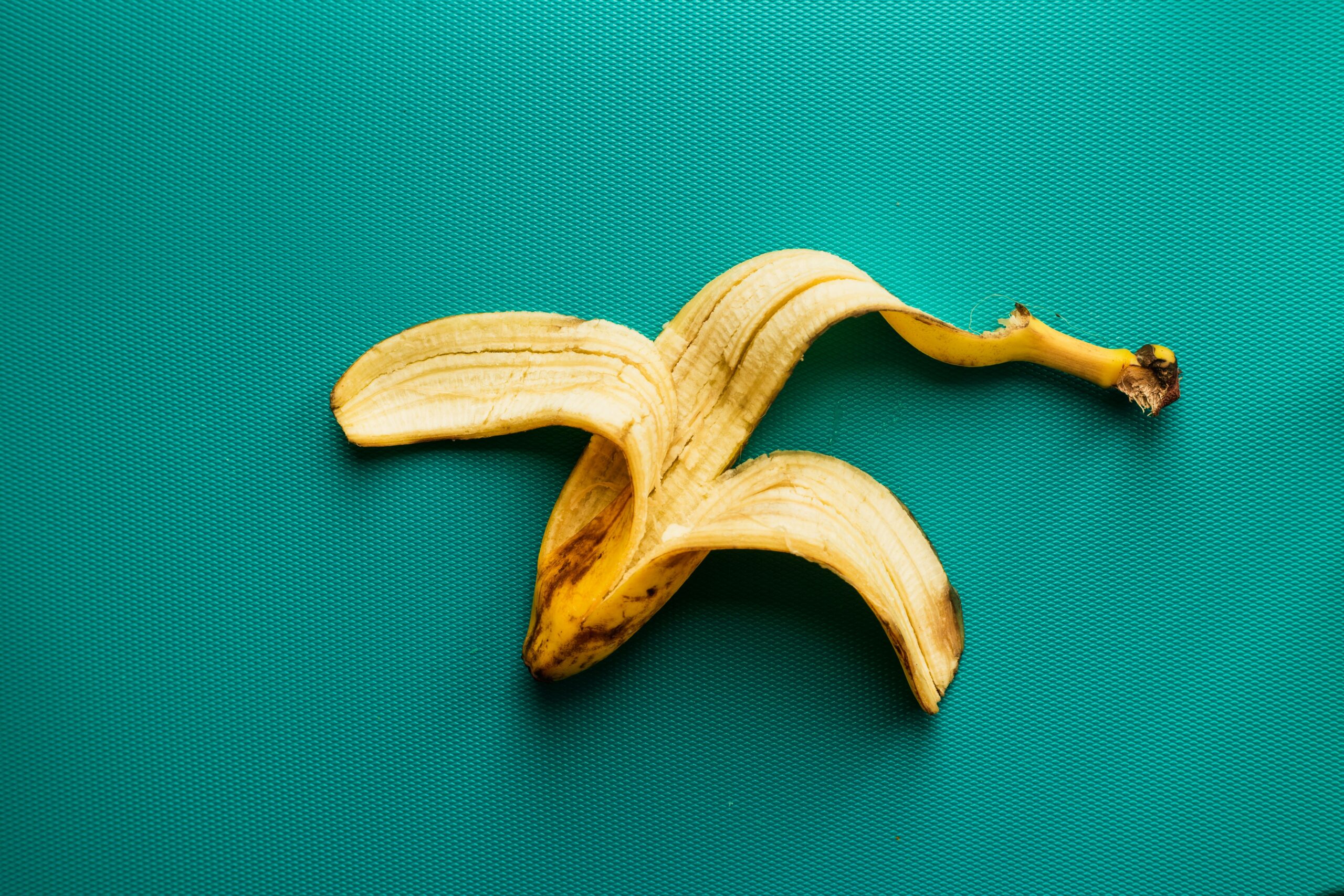
Those who have the most on their CV today are not necessarily the ones who end up going the furthest in five years. Many people’s stories about why they do what they do today are about banana peels – a coincidence, a conversation, a person in the right place, and not about 500 LinkedIn connections. We do things to feel secure. But the security we are chasing is usually short-term: “if I get this grade I will be able to get that salary”, “if I have enough connections the job will come”, or “if I do this now, I will succeed later”. Sure, a lot of that is true. But the stress and the competition are rarely the goal, they are just part of the story we tell ourselves.
The short-term return, the grade, the contact, the internship, feels enormous right now. But the long-term value of trusting the process, being in the right environment and actually feeling good along the way is something we systematically undervalue.
Ask anyone you respect why they do what they do today. The answer is rarely a well-planned career document. It is a conversation in the wrong place at the right time. A course they did not really want to take. A person they happened to stand next to. A banana peel.
Behind our Wellbeing
Among all our human needs, two simple ones are often forgotten: to grow and to feel needed. Not to win, not to come first. To take steps – and to do so in contexts that actually mean something. Contexts where you matter to others.
The problem is not ambition. The problem is when ambition starts costing more than it gives. When wellbeing is sacrificed for a feeling of movement that is really just standing still in disguise. It is never too late. What you are already doing gives you more than you think. Being in environments over a longer period of time, where you are constantly taking small steps, is something that disappears in the noise around career performance. But that is often exactly where the most important things happen. And often exactly what you are doing right now.
Banana peels exist, and you will likely find your thing through being in the right place at the right time. Something you never can know in advance. But you can still prepare by putting yourself in many different contexts. Being in the “noise” for a longer period of time is something I believe you gain a lot from. Concretely, this translates to being in environments where you meet people who are active in what you find fun or interesting. I truly believe being present and learning from others in situations “where things happen”, takes you far.
One thing is certain: you have time. A lot of time. If you sacrifice your wellbeing, nothing will be worth it in the end.
Some of you might feel like you do not enjoy what you are studying. Although this might feel like a setback, the realization itself is a step forward – now you know what you do not want. And knowing that is exactly what allows you to take the next one. What you are already doing gives more than you think, and being present in environments over time is something that gets lost in the pressure around performance. But that is exactly where banana peels happen. You are only a student once: do not forget that life is also meant to be lived.
Behind this Article
Behind the walls of our everyday lives, most of us are always running. Chasing something, keeping up with something, living up to something – rarely stopping to ask why.The reason this article may seem strange, starting with a discussion about the hidden power of the media and then pivoting toward student wellbeing might not be fully understandable. But it was not by accident.
Both in the media and in our own lives, it can be hard to know what to believe. In a news context, the question is: is it true? In our own career context: will it make me successful?
What unites the noise of media and the noise of career pressure is that both can hand you a map that leads somewhere you never actually wanted to go. The headline and the linkedin profile says one thing, but behind the wall, invisibly, something else happens. We are easily fooled into seeing the simple answer as the solution. Media and career pressure are just two examples, but the meaning is the same.
Creating an awareness that things do not always turn out the way they are expressed can help many people avoid unhealthy overthinking, as well as increase happiness when something you never thought about actually comes along. Do not lose your ambitions and curiosity. Without them you lose the ability to move forward. But taking steps forward with a little awareness in your backpack can help some, if not all.
“Where are you going, and do you actually want to go there?”
It is a simple question, but it requires you to stop – something none of us do often enough. Neither when we scroll through the news feed nor when we compare ourselves to the person in our course who just landed their third internship.
Stop. Reflect. It is only your path, no one else’s. And behind the wall, it always boils down to your own judgment, not the headlines’, not the algorithm’s, not what everyone else seems to be doing. Do not forget that you have time, much more time than the feed wants you to believe.
I am sure you are in good hands. Remember – banana peels exist, even though you should not rely on them. In other words, a banana peel is kind of life’s way of executing itself. And for many, it turns out to be the most important moment of them all.