In every accent, a universe of belonging sings softly – Denise Frohman
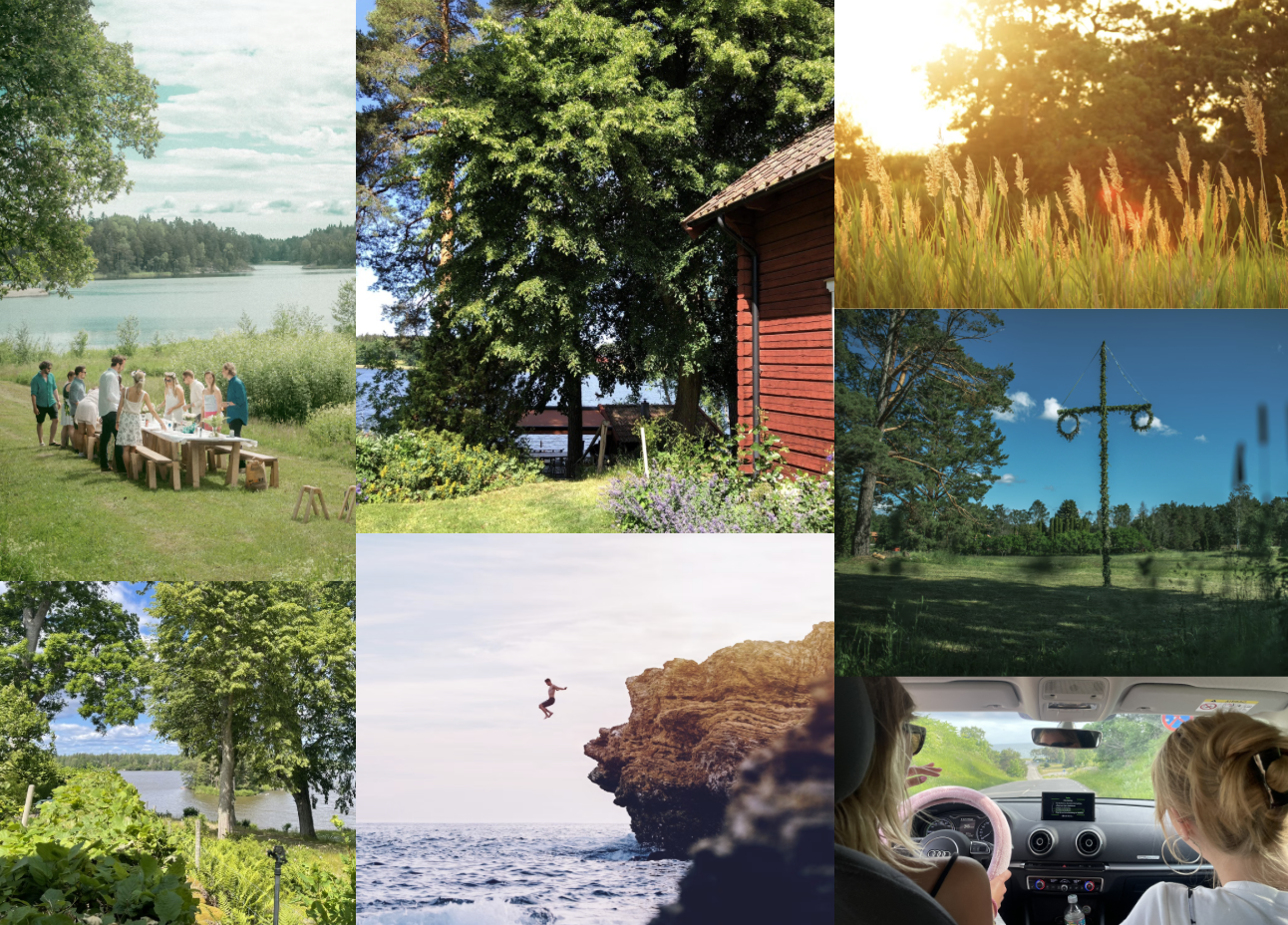
Growing up on the most southern tip of Africa, my childhood was rich with a mixture of cultures; British, African and Indian. These overlapping traditions shaped the people I met and the place I called home. The yearly visit to small town Næstved in Denmark once a year to see my dad’s side of the family showed me Dansk hygge, long hours around the dinner table, July spent at the summer house, an egalitarian society and an overall more reserved type of relationship. Molded into a young adult, it was at 19 that I packed my bags and moved to Sweden alone, where I found just how little I understood the people around me, and the different cultures that I faced.
Almost 3 years later, I feel like I understand a lot more, and being home for Christmas this past month has reminded me of the huge differences that exists between my home and the places I have been, and just how the social, political, historical and economic contexts in which we grow up determines a lot more about ourselves than we truly believe. Our culture and cultural identity is the operating system of society. Long ago, it was our physical survival system. Today it still is, but in a different way. People are not different by accident, but through adaptation. My article dives into some fascinating cultures around the world, and in a few words I hope to show how we are moulded into beings by the social, cultural and historical contexts we grow up in.
Geographical Differences:
Take a river in West Africa, the Andean Highlands, or the Ganges Delta. Farmers have to share water through irrigation systems. Their systems are interconnected with their neighbours, which means that collaboration, for them, is the most important thing for survival. In the Andean Highlands of Peru, altitude and harsh terrain mean that communities relied on reciprocity systems like ayni, where neighbours exchanged labour instead of money. This system still exists today, where success in Peruvian communities is not admired if it comes at the expense of others.
Now, standing in a wheat field in The Canadian Prairie, Russia, Germany or Iraq, suddenly the success of their crops depends on the weather, not their neighbours. Their success is completely independent, and they do not need to rely on one another in the same way. It requires the same resources to grow, but different social requirements to survive.
Geography is often the first teacher of culture. Your land and your home decide what you grow, how you move around and if survival is individual or collective.
In rural Chinese farming towns, rice has shaped life for centuries. Rice farming requires coordination, sharing water systems, planting in synchronicity and collective labour. Their dependence on cooperation has created Chinese social norms that emphasize harmony, peace and long-term planning.
Contrast this with the vast steppe of Kazakhstan. Nomadic life here means that movement of livestock; horses, sheep and camels, is what determines survival. Mobility demands adaptability, hospitality and resilience. Kazakhs today are known for their ability to welcome strangers, and their culture takes great pride in sharing.
The place and culture you’re born into do not have to be your destiny, but it is not random either. We are not just flesh and bones–we are products of the experiences of the people before us, and you determine how the experiences will be of the people that come after you.
Historical Differences:
A country’s history explains a huge amount of its cultural norms and experiences. Reggae originating in Jamaica was about more than music, it was resistance created to be a voice for those previously oppressed, in a way of telling old stories and bringing people together. Today, it has a deep connection to Jamaica’s Rastafarianism and is a huge cultural pillar and identity for Jamaicans. Today we can see how reggae reflects Jamaica’s relationship with power, faith and resistance.
In Japan, ritual and order is what creates quiet, disciplined and detail-oriented people. Their temple and calm pace, instilled by their upbringing, becomes visible in their relationships with other people. Japanese social expectations have prioritised self-control, and patience being taught to young children. The tea ceremony, bowing, and their structured social roles reflect a history where harmony was essential for stability.
Linguistic Differences
Language is also more than just the way in which we communicate. It shapes how we organise the world in our minds. Jerry Fodor, a linguistic scholar, argues that language does not create thought, but instead it expresses it. His theory says that humans all think in a universal, internal language ‘mentalese’ – and our spoken language is simply the different ways of translating these thoughts. This idea is controversial, but it highlights how as humans, we may share basic ways of thinking, while culture and language shape how we express, prioritise and understand what we are speaking about.
In Quechua, spoken in the Andes, the past, because it is known, is something in front of you, whereas the future is behind you, unseen. This contributes to the Andean deep respect for their ancestors, tradition and inherited knowledge.
People are different because they have to be. Every habit, custom and belief began as a solution to a problem. In an international environment or school, such as LUSEM, it is so important to check yourself before reaching a conclusion about people. Understanding culture is not about agreement, but curiosity. No culture is random, and when we stop seeing differences as strange and start seeing them as human, we learn how to really connect with one another.