Have you ever thought about why time seems to be passing by so fast? In the case you have, I can assure you that you are not alone.
My friends and I have on continuous occasions found ourselves looking back at these past years and noting a blur, recalling specific memories but not being able to pinpoint what we did for large parts of these years. Most notably, the thought of “what happened with 2020 and 2021” has been a recurrent theme, and more specifically, where did all that time go?
Time is a topic that has been on many people’s minds in correlation with the Covid-19 pandemic. Hence, through this article, I try to delve into the question of whether we at some point in time lost control of our perception of time? And if there is any possibility of regaining that control?

Many of us have heard the lines “time flies when you’re having fun” and “time drags when you’re bored”, however, even though most of us have not enjoyed the worldwide lockdowns and restrictions associated with Covid-19, around 40 per cent experienced the feeling of our weeks flying by. In a study with around 700 people in the UK, 81 per cent of the participants believed that there had been some form of distortion regarding the way in which time was experienced. Interestingly enough, around 40 per cent felt that time was passing faster, while the other 40 per cent felt that it was passing slower. Nevertheless, for many of us, the misperception of time passing stretches further than just the past two years, although Covid-19 may have brought this thought to the forefront.
The concept of time was created to measure the hours of a day, yet these hours often seem to merge into one collective loop, with many of us struggling to remember what we ate two days ago, or even what we did two days ago. Why is this a common theme in people’s lives, and is there any way we can enjoy more of the time we have?

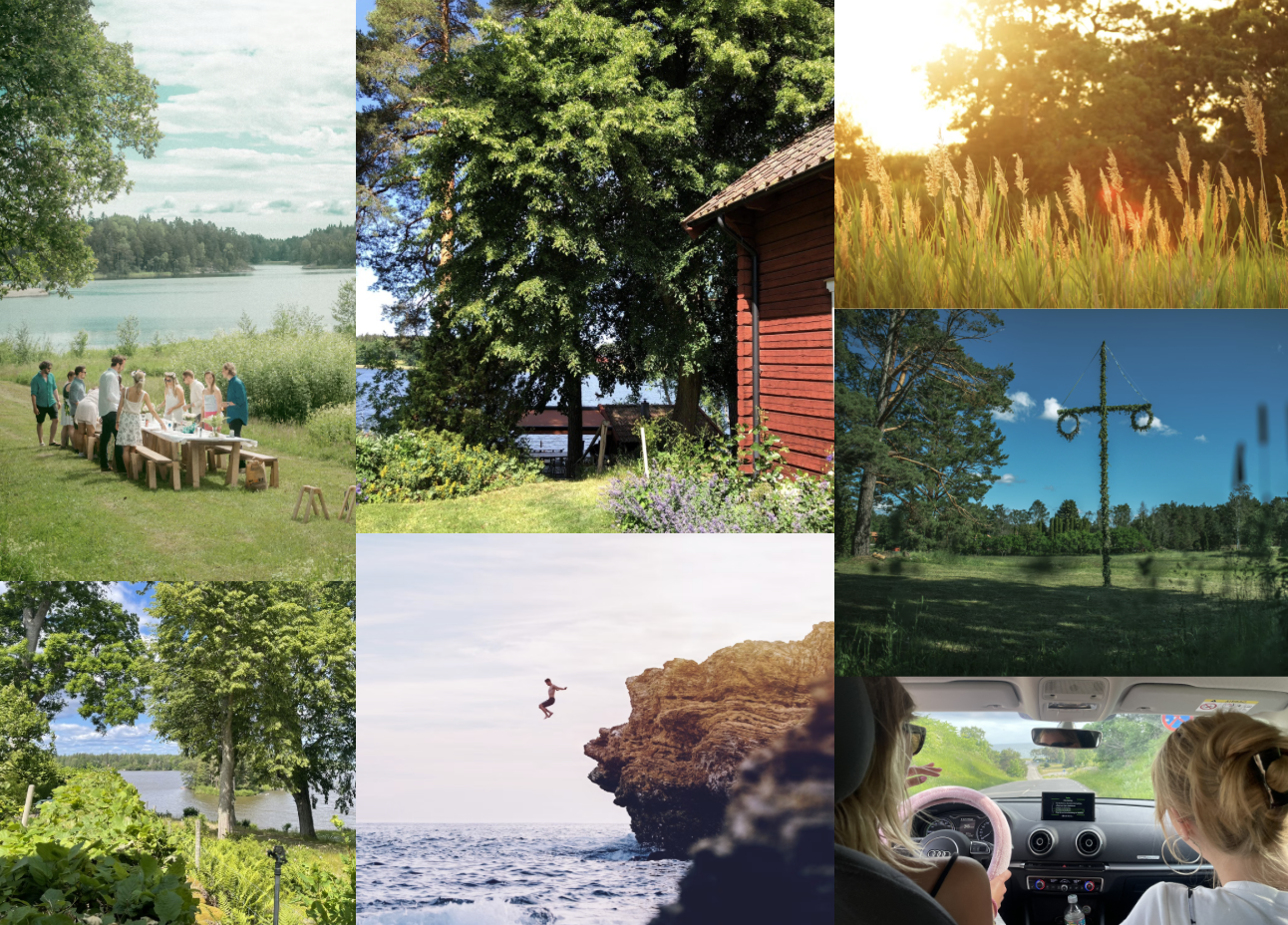
Intriguingly, our perception of time depends on how we choose to spend it. When we look back into our large accumulation of memories, the more we have collected in a specific period of time, the longer we believe that period has lasted. As we grow up, settle into a constant routine, we tend to forget. Our childhoods often felt like the longest, with endless summers and days on the playground that seemed to last for hours on end, even though recess may only have lasted 30 minutes. Yet, as we grow up, time seems to increase at a faster rate every year, with studies, summers, and holidays just flying by. The topic of living in the moment seems to be what drives a wedge between our childhood and our current lives, with children constantly being exposed to new sensations and experiences. Although this may sound somewhat depressing, our daily routines seem to be the culprit in our misperception of time passing, as studies have shown that just being in nature makes people’s perception of time pass more slowly.
Thus, as many of us feel as though we keep losing our grip on time, the answer as to how we can manage it lies in being mindful of what is happening in this exact moment. With something as casual as riding your bike to EC in the morning, walking to Grönt och Gott for lunch, or having dinner with friends in the evening, it is important to live in the moment. Instead of worrying about what you have to do in three months, a week, or for tomorrow, take a minute to acknowledge your surroundings and what is actually happening around you, you may just be able to add a few hours to your day 😉